

- Your cart is empty
- Continue Shopping
Infections from Bites: Symptoms, Treatment & Pharmacy Help
- PHARMACY FIRST
- Posted on
-
by Faraz
- 0 comments
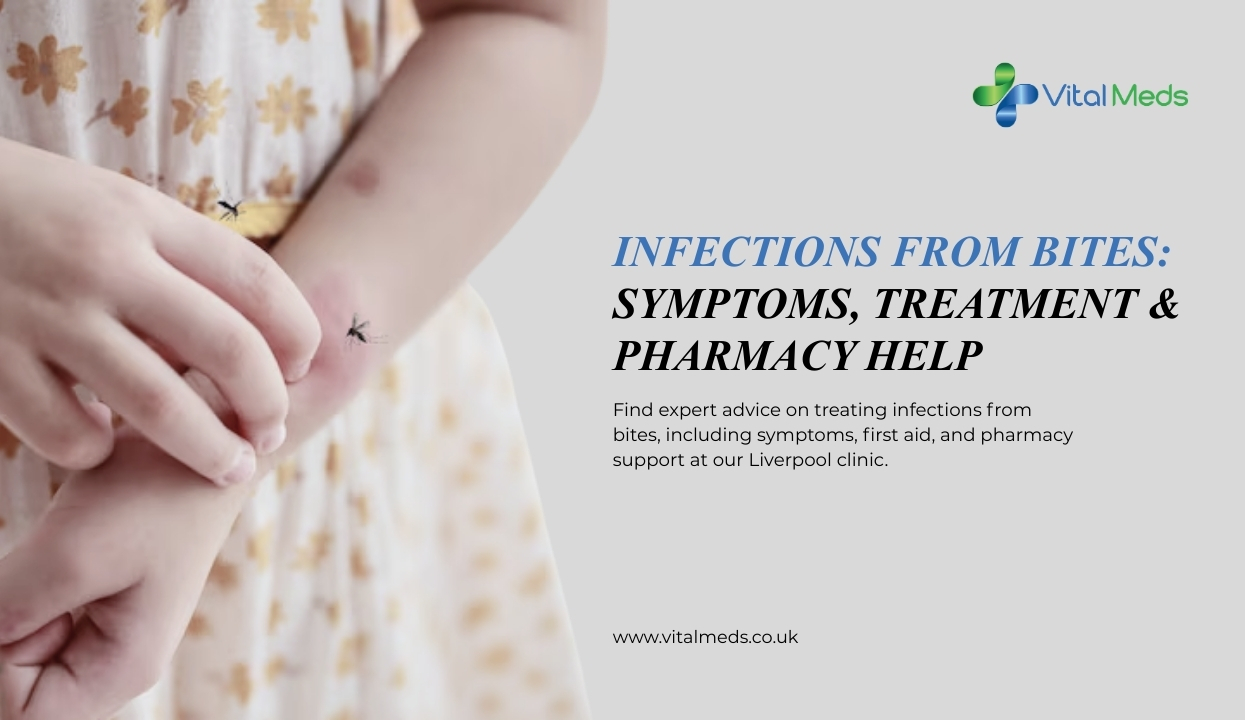
Bites from animals, humans, or insects can often seem harmless at first, but they can lead to serious infections if not treated properly. Understanding how infections from bites occur, recognising the symptoms, and knowing when to seek professional advice is crucial. At our Liverpool pharmacy, we provide expert guidance and access to medications to help manage bite-related infections safely and effectively.
What Causes Infections from Bites?
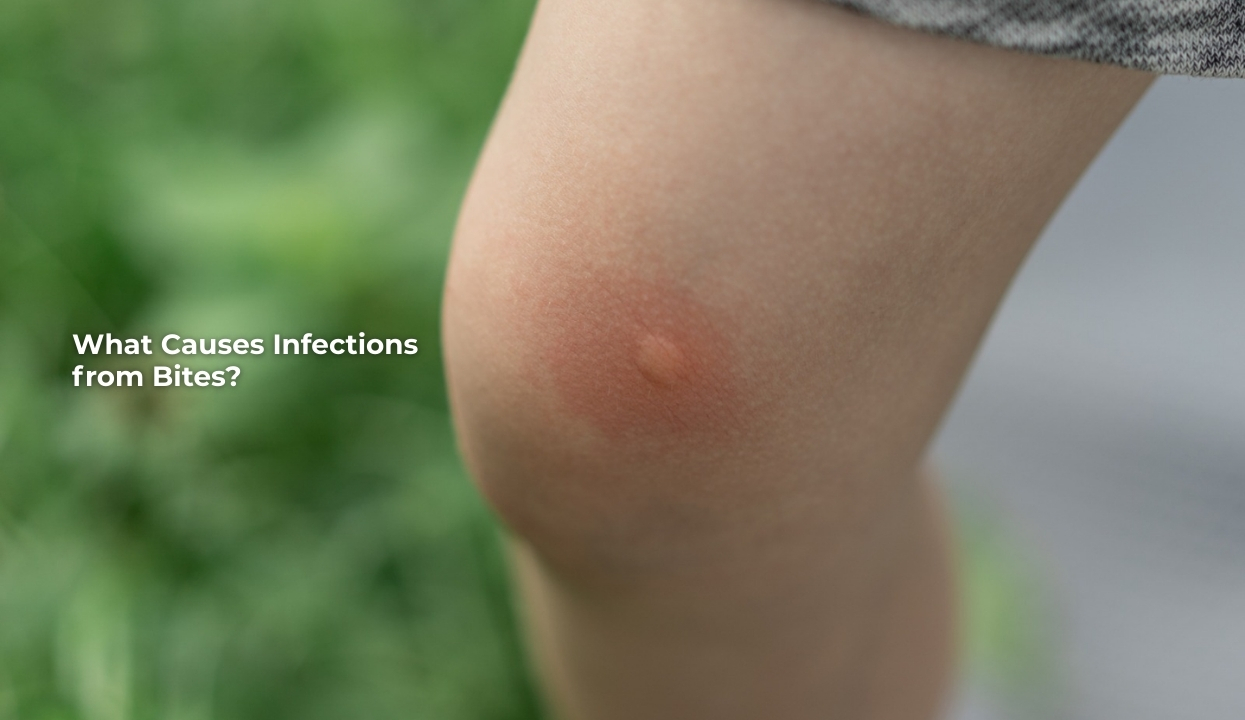
Bites introduce bacteria, viruses, or fungi directly into the skin, which can result in infection. The risk and type of infection depend on the source of the bite and how quickly it is treated.
Animal Bite Infection
Animal bites, especially from dogs and cats, can cause serious infections. Bacteria such as Pasteurella multocida, Staphylococcus aureus, and Streptococcus species are common culprits. These bacteria can cause redness, swelling, pus formation, and in severe cases, fever or systemic infection. Dog bites tend to cause deep puncture wounds, while cat bites often result in small punctures that can trap bacteria inside, increasing infection risk.
Insect Bite Infection
Insect bites, such as from mosquitoes, ticks, or spiders, can sometimes become infected, particularly if scratched excessively. Bacteria from under the fingernails or from the environment can enter the wound. In some cases, insect bites can transmit diseases like Lyme disease or cellulitis.
Human Bite Infection
Human bites are surprisingly common and often overlooked. Human saliva contains a wide range of bacteria, and even minor bites can result in serious infections. These infections often spread rapidly and may require urgent medical treatment.
Symptoms of Bite Wound Infections
Recognising early signs of infection is key to prompt treatment. Common symptoms include:
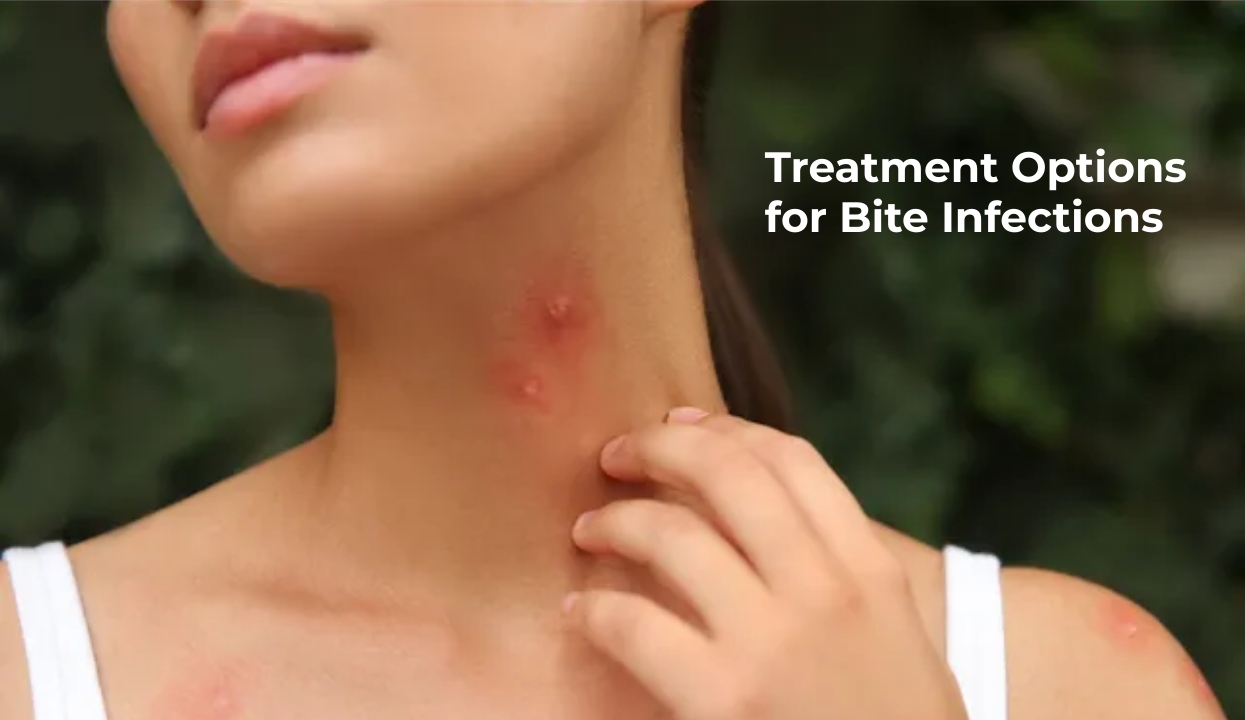
- Redness or warmth around the bite area
- Swelling and tenderness
- Pus or unusual discharge
- Pain that worsens over time
- Fever or chills in severe cases
If you notice any of these symptoms after a bite, it’s important to seek professional advice immediately. Untreated infections can lead to complications, including cellulitis, abscess formation, or systemic infection.
Immediate First Aid for Bite Wounds
Proper first aid reduces the risk of infection. Follow these steps immediately after a bite:
- Clean the wound thoroughly with running water and mild soap.
- Control bleeding using a clean cloth or bandage.
- Apply antiseptic to prevent bacterial growth.
- Cover the wound with a sterile dressing.
- Avoid touching or scratching the wound to prevent further contamination.
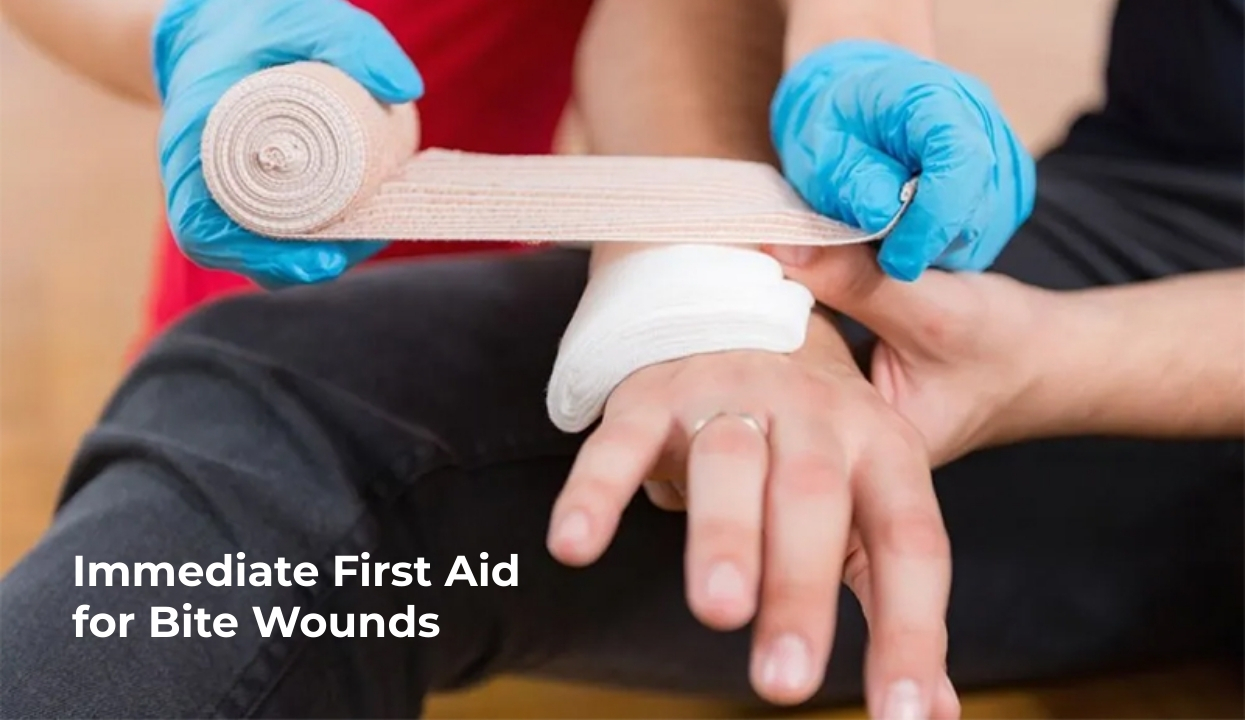
For insect bites, cleaning and applying antiseptic is usually sufficient. However, bites from animals or humans may require professional evaluation.
When to Seek Medical Help
Seek medical attention if:
- The bite is deep, punctured, or bleeding heavily
- Redness, swelling, or pus increases over 24–48 hours
- Fever or other systemic symptoms appear
- You have underlying health conditions like diabetes or a weakened immune system
At our Liverpool pharmacy, our team can provide Pharmacy First antibiotics, expert advice, and guidance on wound care for infected bites.
Treatment Options for Bite Infections
Pharmacy First Antibiotics
Pharmacy First allows patients to access certain medications, including antibiotics, without needing a prior doctor’s prescription. This is especially helpful for treating animal bite infections or human bite infections promptly. Our pharmacy provides:
- Amoxicillin-clavulanate for animal bites
- Flucloxacillin for skin infections
- Advice on proper dosage and completion of the antibiotic course
Bite Infection Treatment at Home
While antibiotics may be necessary, additional home care helps the healing process:
- Keep the wound clean and dry
- Change dressings regularly
- Avoid scratching or touching
- Monitor for worsening symptoms
Advanced Care
For severe infections or bites with complications, referral to a GP or hospital may be necessary. In these cases, prompt professional assessment is vital to prevent systemic infection.
Preventing Bite Infections
Preventing infections is always better than treating them. Here are some tips:
- Avoid provoking animals or handling stray animals
- Use insect repellents and protective clothing outdoors
- Clean minor scratches and insect bites immediately
- Keep tetanus vaccinations up to date
- Educate children on safe interactions with animals
Why Choose Our Liverpool Pharmacy?
Our pharmacy not only provides medications but also professional advice on bite infection management. Using our Pharmacy First service, patients can access antibiotics and wound care products conveniently. Our team ensures:
- Safe and appropriate antibiotic use
- Guidance on wound cleaning and dressing
- Advice tailored to the type of bite (animal, human, or insect)
We aim to reduce the risk of infection and promote faster recovery.
Conclusion
Infections from bites are common but manageable if addressed promptly. Recognising the type of bite, understanding the symptoms, performing immediate first aid, and accessing professional advice are key to preventing serious complications. Our Liverpool pharmacy offers expert guidance, Pharmacy First antibiotics, and wound care solutions to help patients recover quickly and safely.
By following proper care and seeking timely treatment, most bite infections can be resolved without long-term complications.
FAQs About Infections from Bites
1. Can all animal bites become infected?
Not all animal bites lead to infection, but the risk is high if the wound is deep or not cleaned properly. Dog and cat bites are particularly prone to infection due to bacteria in their mouths. Immediate cleaning and monitoring the wound are crucial to prevent complications.
2. How long does it take for bite infections to show symptoms?
Symptoms can appear within 24–72 hours after the bite, depending on the type of bacteria involved. Some infections, like those from cat bites, may develop more slowly, so it’s important to watch the wound for redness, swelling, or pus over several days.
3. Are insect bites dangerous?
Most insect bites are mild, but scratching can introduce bacteria and lead to secondary infections. Certain insect bites, such as tick bites, can transmit diseases like Lyme disease, so proper cleaning and monitoring are essential.
4. Can I get antibiotics from a pharmacy?
Yes, through the Pharmacy First service, certain antibiotics can be provided without a GP prescription. Our Liverpool pharmacy team assesses the wound and recommends appropriate medication, ensuring safe and effective treatment.
5. When should I see a doctor?
Seek medical attention if the bite is deep, bleeding heavily, or showing worsening symptoms like pus, spreading redness, or fever. People with underlying health conditions, such as diabetes or a weakened immune system, should consult a doctor immediately.

