

- Your cart is empty
- Continue Shopping
Altitude Sickness Tablets & Travel Advice
- TRAVEL CLINIC LIVERPOOL
- Posted on
-
by Faraz
- 0 comments
Traveling to high-altitude destinations like mountains, ski resorts, or trekking locations can be thrilling, but it comes with a risk that many travelers underestimate — altitude sickness. This condition, caused by rapid ascent to high elevations, can affect anyone, from experienced hikers to casual tourists. Understanding altitude sickness, how to prevent it, and the role of altitude sickness tablets is essential for a safe and enjoyable trip.
At our Liverpool travel clinic, we provide expert advice on travel health, including guidance on medications like acetazolamide, commonly prescribed to prevent or treat altitude sickness. This article will guide you through symptoms, treatment options, preventive measures, and important considerations for safe travel to high-altitude areas.
What is Altitude Sickness?
Altitude sickness, also known as acute mountain sickness (AMS), occurs when your body struggles to adapt to lower oxygen levels at high elevations. It typically affects altitudes above 2,500 meters (8,200 feet), but symptoms can vary based on individual health, speed of ascent, and physical exertion.
Common symptoms of altitude sickness include:
- Headache
- Nausea and vomiting
- Dizziness or lightheadedness
- Fatigue and weakness
- Difficulty sleeping
Severe cases, although rare, can develop into high-altitude pulmonary edema (HAPE) or high-altitude cerebral edema (HACE), which are life-threatening conditions. Early recognition and treatment are key to preventing complications.
How to Prevent Altitude Sickness
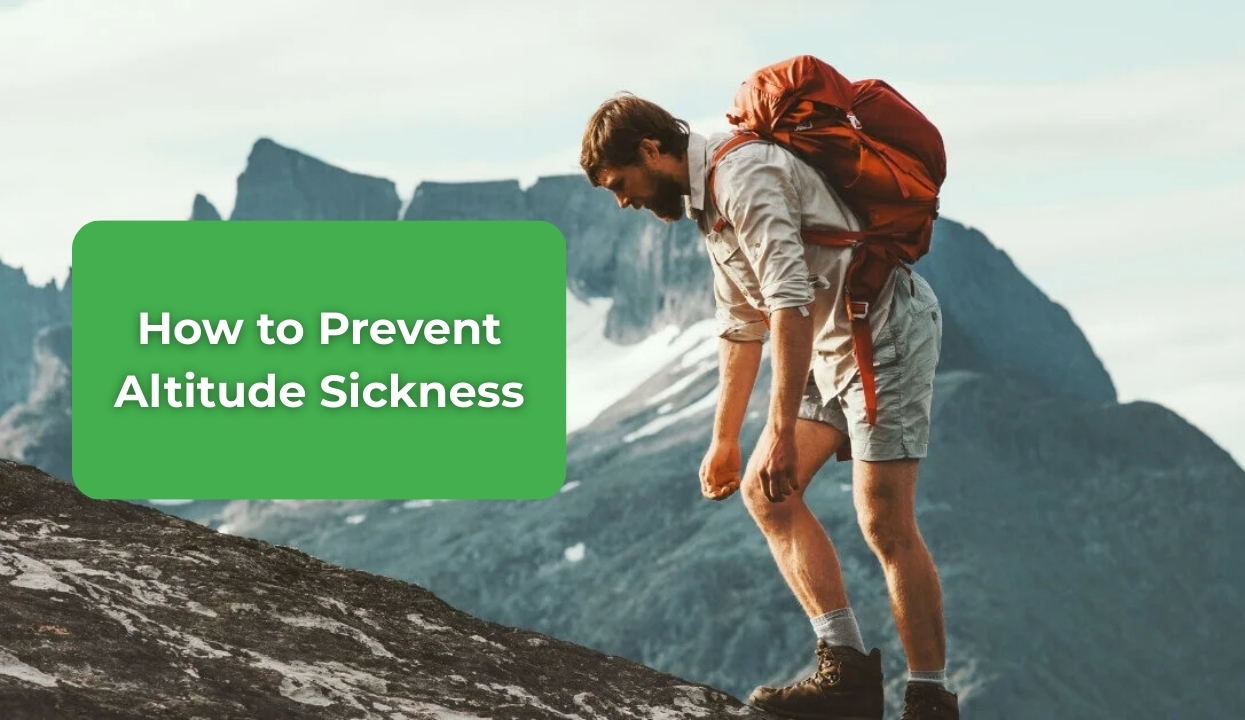
Preventing altitude sickness is always better than treating it. There are several strategies travelers can use to reduce the risk:
1. Gradual Ascent
Ascend slowly whenever possible. Spending a few days at intermediate elevations allows your body to adapt to lower oxygen levels. Avoid rapid climbs to high altitudes without proper acclimatization.
2. Stay Hydrated
Dehydration can worsen symptoms of altitude sickness. Drink plenty of water, avoid excessive alcohol, and maintain a balanced diet.
3. Avoid Overexertion
Physical exertion increases oxygen demand. Take it easy during the first 24-48 hours at high altitudes to reduce the risk of symptoms.
4. Use Altitude Sickness Tablets
Medications like acetazolamide are effective in preventing altitude sickness for travelers who cannot acclimatize slowly. These altitude sickness pills work by helping your body adjust to lower oxygen levels, reducing common symptoms like headaches, nausea, and fatigue.
At our Liverpool travel clinic, we advise on safe use, dosage, and potential side effects of these medications. Always consult a healthcare professional before taking prescription medication for altitude sickness.
Altitude Sickness Tablets: How They Work
Altitude sickness tablets, particularly acetazolamide, work by stimulating breathing and helping your body adjust to changes in oxygen levels. The medication increases the amount of bicarbonate excreted in urine, which leads to a mild metabolic acidosis. This, in turn, stimulates ventilation and improves oxygen levels in the blood.
Common Uses of Altitude Sickness Pills
- Preventing symptoms before traveling to high altitudes
- Reducing severity of mild to moderate altitude sickness
- Supporting acclimatization when gradual ascent is not possible
How to Take Altitude Sickness Pills Safely
Acetazolamide is usually prescribed by healthcare providers. Recommended guidelines include:
- Start 24 hours before ascent
- Continue for 48 hours after reaching target altitude
- Typical dose: 125-250 mg twice daily, depending on individual risk and doctor’s advice
Important precautions:
- Allergies to sulfa drugs may prevent use
- Those with kidney or liver problems should consult a doctor
- Monitor for side effects during the trip
Acetazolamide Side Effects
Like all medications, acetazolamide can cause side effects. Common side effects include:
- Tingling in fingers, toes, or face
- Increased urination
- Taste alterations, particularly carbonated beverages
- Mild nausea or stomach upset
Rare but serious side effects can include severe allergic reactions or electrolyte imbalances. Always consult your travel health professional before starting medication.
Lifestyle Measures and Non-Medication Tips
In addition to medication, travelers can reduce their risk of altitude sickness with simple lifestyle changes:
- Balanced diet: Include carbohydrates to provide energy at high altitudes
- Avoid alcohol: Alcohol can worsen dehydration and interfere with sleep
- Sleep at lower elevations: If possible, sleep at a lower altitude before ascending further
- Acclimatization days: Schedule rest days to allow the body to adapt
Combining these measures with altitude sickness tablets can significantly reduce symptoms and improve your travel experience.
When to Seek Medical Help
While mild altitude sickness is common, medical attention is required for severe symptoms. Visit a healthcare professional immediately if you experience:
- Shortness of breath at rest
- Severe headache unrelieved by painkillers
- Persistent vomiting
- Confusion or difficulty walking
- Swelling of hands, feet, or face
Our Liverpool travel clinic can provide advice, medication, and emergency guidance for travelers experiencing severe altitude sickness symptoms.
Choosing the Right Altitude Sickness Tablet
Not all medications are suitable for everyone. Factors to consider include:
- Age and weight
- Existing medical conditions
- Other medications being taken
- Duration and type of travel
A travel clinic professional can help assess your risk and prescribe the most effective altitude sickness pills. Personalized advice ensures safety and effectiveness while minimizing side effects.
Conclusion
Traveling to high-altitude destinations can be a rewarding experience, but altitude sickness poses real risks. By understanding the condition, using altitude sickness tablets responsibly, and following preventive measures, travelers can enjoy their trip safely.
For personalized advice, visit our Liverpool travel clinic, where our experts can guide you on medications, side effects, and safe travel practices. With the right preparation, you can prevent altitude sickness and make the most of your adventure.
FAQs About Altitude Sickness and Tablets
How to prevent altitude sickness?
Gradual ascent, staying hydrated, avoiding overexertion, and taking prescribed altitude sickness tablets like acetazolamide are effective strategies.
What are the common side effects of acetazolamide?
Tingling sensations, frequent urination, taste changes, and mild nausea are common. Serious reactions are rare but require medical attention.
Can altitude sickness pills be taken by everyone?
No. Those with allergies to sulfa drugs, kidney or liver problems, or certain medical conditions should consult a healthcare professional before use.
How soon should I start taking altitude sickness tablets?
Typically, tablets are started 24 hours before ascending and continued for 48 hours at target altitude. Always follow your doctor’s instructions.

