

- Your cart is empty
- Continue Shopping
Oramorph (Morphine Liquid): Uses, Safety & UK Prescription
- PHARMACY FIRST
- Posted on
-
by Faraz
- 0 comments
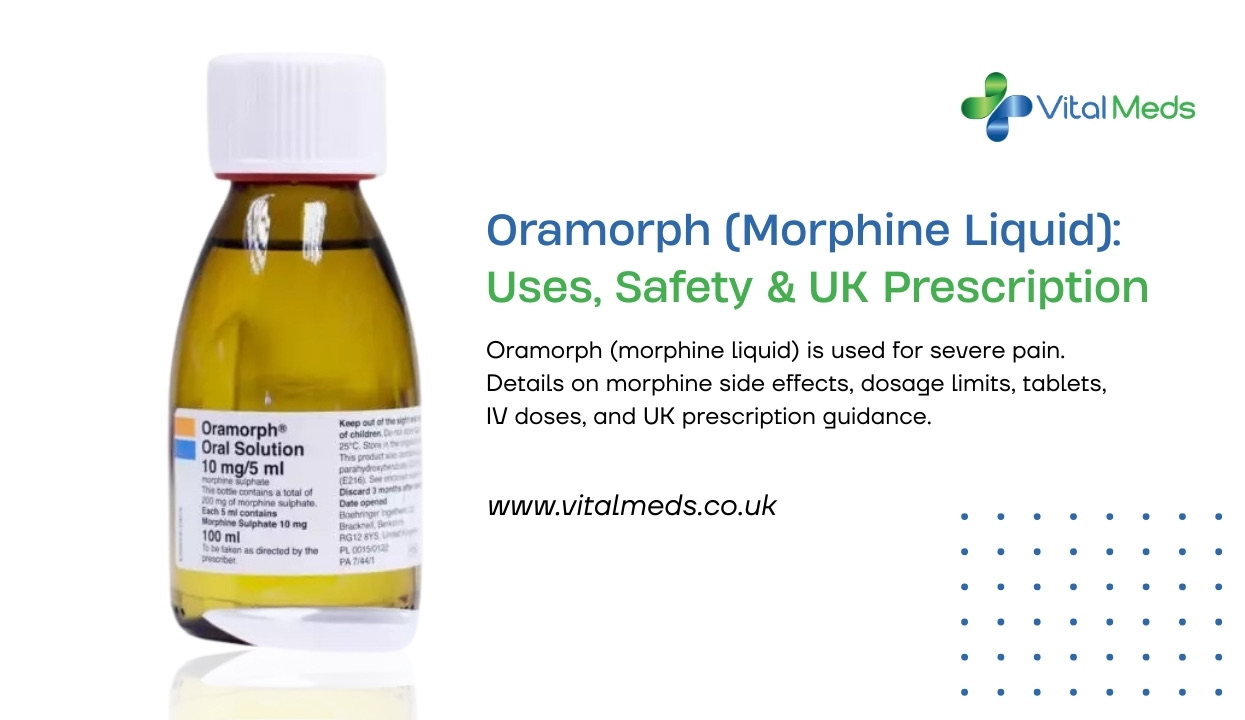
Oramorph is a morphine, a potent opioid drug that is in liquid form (a liquid morphine, known as Oramorph) and is used in the UK to treat moderate to severe pain. It is usually employed where other pain relieving measures are however not effective anymore especially in situations like diseases like post-operative pain, severe injury, cancer pain, and the one that is long term in nature.
Oramorph is a controlled prescription-only drug in the UK because of the morphine that it contains. This implies that it has to be prescribed by an authorized healthcare provider and provided by an authorized pharmacy in accordance with the UK medicines laws.
This guide describes the nature of Oramorph in terms of its uses, mechanism of action, its use as a prescription drug and its dosage and administration, as well as the use of morphine in its various forms, such as in tablets and intravenous doses (IV).
What Is Oramorph?
Morphine sulfate oral solution known as Oramorph is commonly referred to as morphine liquid. It is recommended to patients requiring powerful analgesia and who have difficulties swallowing pills or need nonlinear changes in the dosage.
Morphine is used as an opioid receptor agonist in the brain and the spinal cord. These receptors suppress the transmission and reception of the signals of pain, and help to alleviate serious discomfort.
Oramorph comes in various strengths and is normally administered orally in the UK. It is not used without a professional recommendation because of its potency and dangers.
What Is Morphine Used For?
Morphine is only prescribed in cases where pain cannot be managed properly using other more lenient drugs like paracetamol or ibuprofen.
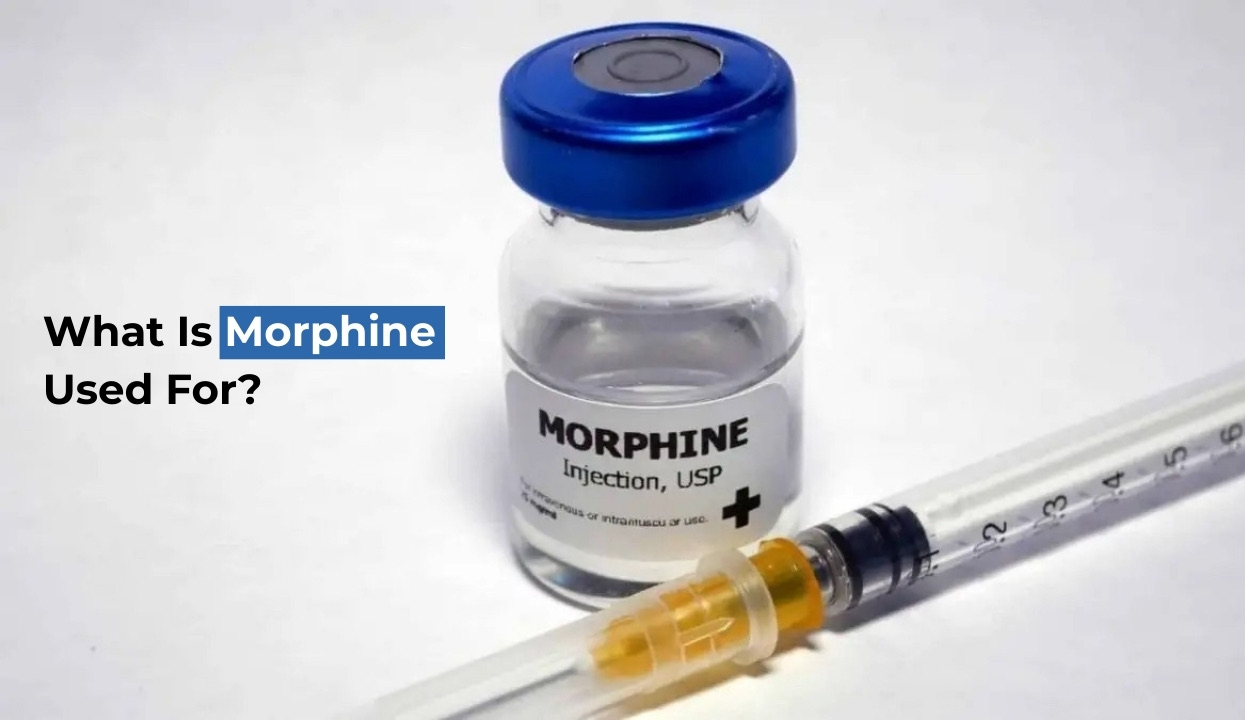
Characteristic conditions in which morphine can be taken into account are:
- Postoperative or posttraumatic severe acute pain.
- Cancer-related pain
- Pronounced arthritis or musculoskeletal diseases.
- Discomfort linked to severe chronic disease.
- End of life and palliative care.
- Hypoxia in some clinical conditions.
The use of Oramorph enables healthcare professionals to vary doses particularly in instances where pain levels vary or in cases where opioids are being initiated.
Why Oramorph Is Prescribed Instead of Tablets
Morphine is sold in various forms such as morphine tablets, morphine capsules, modified-released, and morphine liquid solutions such as Oramorph.
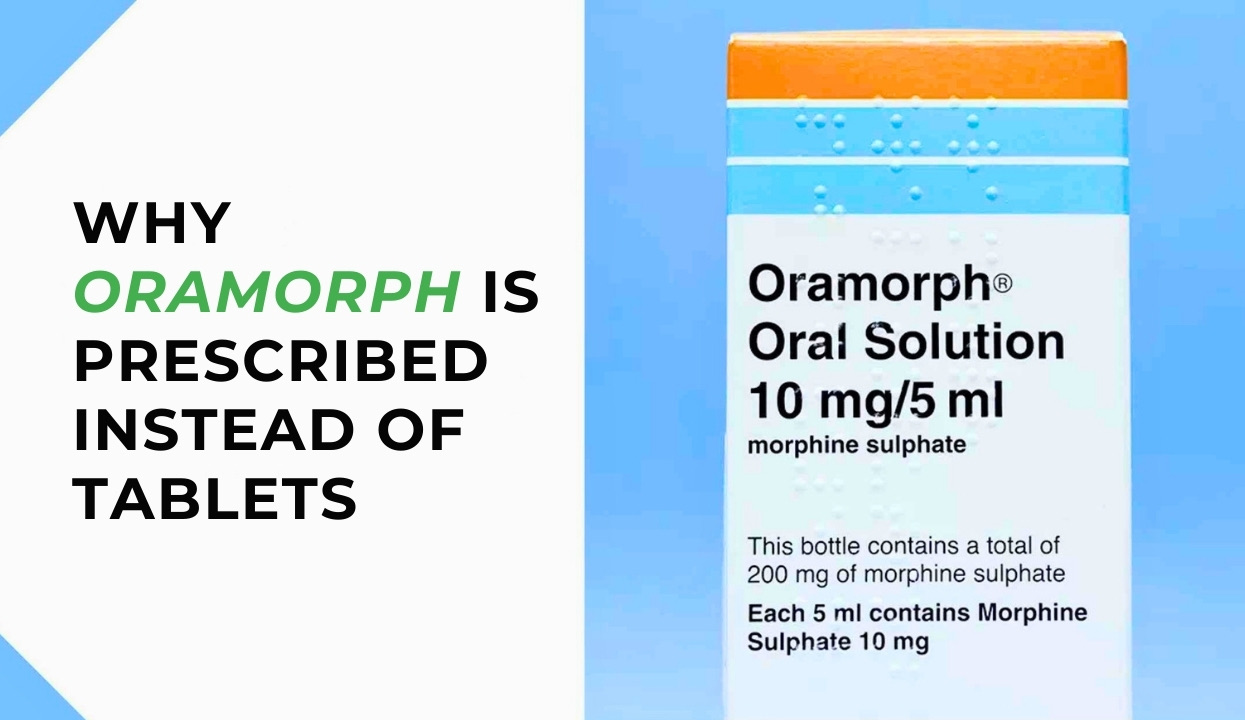
Oramorph can be used in preference to when:
- Patients have problems with swallowing pills.
- Quick dosage changes are required.
- The intensity of the pain changes during the day.
- Analgesics of short action are necessary.
Morphine tablets are typically utilized in the long-term management of pain whereas liquid morphine may be utilized in the management of breakthrough pain or where flexibility is a requirement.
How Oramorph Works in the Body
Oramorph is absorbed into the bloodstream by the digestive system after it is ingested. It is then transmitted to the brain and the spinal cord where it interacts with opioid receptors. This measures alleviates pain and enhances tolerance to pain.
Since morphine works on the central nervous system it may result in sedation, relaxation and in some instances slowing of breath. This is why the dosing should be always taken into consideration.
Morphine Side Effects
Oramorph, similar to any other opioid medications, has side effects. They are not experienced by all people, but one should know about potential reactions.
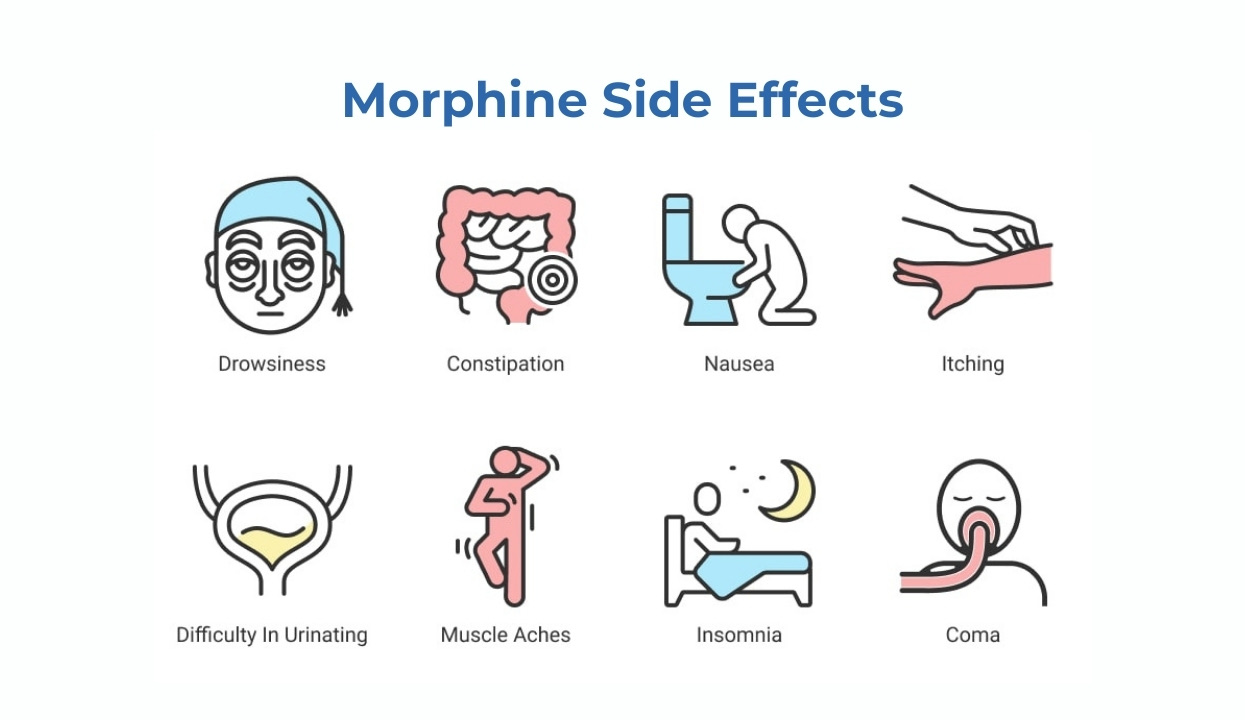
Recurrent Morphine Side Effects.
- Drowsiness or sedation
- Constipation
- Nausea or vomiting
- Dizziness
- Dry mouth
Less Common but Serious Side Effects
- Slow or shallow breathing
- Muddiness or illusion, bewilderment.
- Low blood pressure
- Difficulty urinating
Tolerance (the need to use more morphine to achieve the same effect) and dependence may also be developed over time due to morphine use and this is why a review is necessary.
The prescribed dose should be taken by the patient regularly, and it is recommended to address a health professional in the case of problematic side effects.
Maximum Dosage of Morphine
A maximum dosage of morphine does not exist that will work exactly on all people. The right dose varies based on a number of factors such as:
- The severity of pain
- Previous opioid use
- Age and general health
- Kidney and liver function
The dosing of morphine in the UK is individualised and reviewed frequently. Initial dosage tends to be low and raised when necessary. Overdosing is potentially harmful and predisposes one to severe side effects like respiratory depression.
The patients are not supposed to change their dose under professional advice.
Morphine IV Doses – How They Differ
Morphine can be administered intravenously (IV) in the hospital environment to manage the pain quickly. The doses of morphine IV are faster than the oral morphine because the drug reaches the bloodstream directly.
- IV morphine is commonly used:
- After surgery
- In emergency care
- In cases of acute severe pain.
Healthcare professionals closely observe these doses, as they are relatively fast acting and have a higher likelihood of side effects. IV morphine is not given at home without somebody watching over it.
Oramorph and Long-Term Pain Management
In addition to a general pain management strategy, Oramorph can be included in chronic or progressive patients. This often includes:
- Regular pain assessment
- Interaction with other drugs.
- Other strategies of managing pain without drugs.
- Ongoing dose review
Medical workers strive to provide the minimal dose of the drug needed in the minimum period of time to treat pain without risk.
Safety Considerations When Using Oramorph
When taking Oramorph, the following safety considerations are expected. Ormorph is a powerful opioid, so some of the necessary safety measures are:
- Morphine should not be taken with alcohol.
- Should not drive or operate under drowsiness.
- Keep out of child reach.
- Do not be sharing your medication with others.
The patients are also expected to report to their prescriber about other medications that they might be under, as morphine can be interacted with sedatives, sleeping pills, and certain mental health medications.
Oramorph and UK Prescription Rules
Oramorph is a Schedule 2 controlled drug in the UK. This means:
- A valid prescription is stipulated in law.
- Prescriptions should be of high legal standards.
- Supply is documented and tracked.
- Repeat prescription is well regulated.
The sale of Oramorph by reputable pharmacies in the UK is made after an authentic prescription given by any authorised prescriber.
Can You Get Oramorph From an Online Pharmacy?
Yes, Oramorph is available through a regulated online pharmacy within the UK i.e. VitalMeds in Liverpool, which is only available on a valid prescription. The prescription can be given by a GP, a specialist in the hospital or any other qualified health practitioner. Unregulated websites that sell morphine without prescription are dangerous and must be avoided by the patients.
Oramorph vs Other Morphine Forms
| Form | Typical Use |
| Oramorph (liquid) | Flexible dosing, breakthrough pain |
| Morphine tablets | Longer-term pain control |
| Modified-release morphine | Stable, round-the-clock pain relief |
| Morphine IV | Rapid pain control in hospital |
The choice depends on clinical needs, pain severity, and patient circumstances.
Oramorph: Safety & Use
Oramorph is a morphine liquid that is administered in the UK to treat severe pain when all other methods are ineffective. It is a significant part of the pain management that should be used in a responsible manner because of its strength and possible risks.
The knowledge of morphine side effects, proper dosing, and the rules governing UK prescription are helpful to make sure that Oramorph is used safely and successfully. Use morphine under professional advice, never purchase morphine when not in controlled UK pharmacies.
Frequently Asked Questions
How long does Oramorph take to work?
Oramorph is an oral morphine solution and it normally begins to work within 20 to 40 minutes of administering a dosage. Depending on the intensity and personal reaction, it may have a long-lasting effect of several hours. Your prescriber alters the dosing to provide effective pain relief.
Does Oramorph cause constipation?
Yes, it is a common side effect of morphine, including Oramorph, constipation. This is because opioids reduce the pace of digestion. Patients are usually given a recommendation of consuming lots of fluids, high-fibre foods, and the patient can even take laxatives as recommended by their healthcare provider.
What is Oramorph used for?
Oramorph is prescribed to deal with moderate to severe pain when other less potent painkillers have not worked. It is prescribed frequently to treat post-surgical pain, cancer-related pain, or severe chronic conditions, but only through the recommendations of a skilled medical caseworker.
Is Oramorph the same as morphine?
The brand name of morphine sulfate oral solution is oramorph thus it has the same active substance as morphine. The distinction is in the form – Oramorph is in liquid form, which makes it easy to dose and administer, as well as to patients with the difficulty in swallowing pills.

