

- Your cart is empty
- Continue Shopping
Hay Fever Infants: Symptoms, Treatment & How to Relieve
- PHARMACY FIRST, pharmacy in Liverpool
- Posted on
-
by Gulfam
- 0 comments
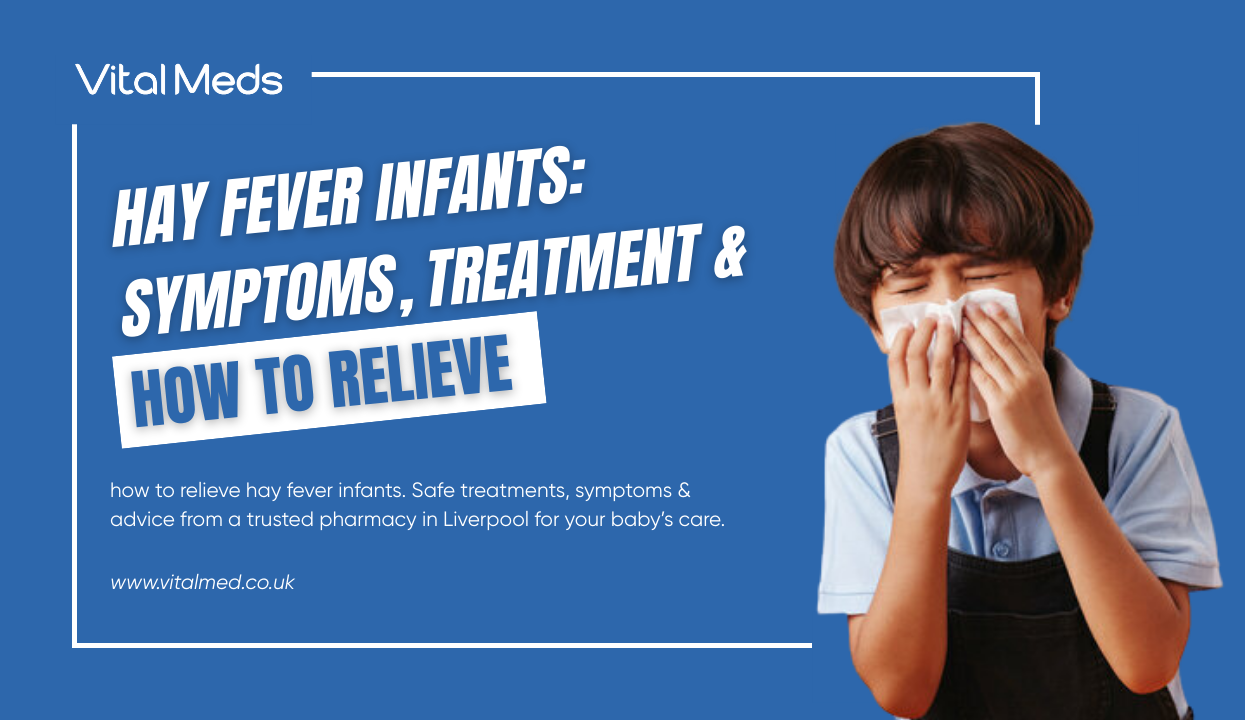
Older children and adults are commonly linked with the state of Hay Fever Infants, however, surprisingly, infants can be affected by this state as well. In the case of parents, it is important to learn how to control symptoms and identify the early symptoms. Infants are not able to express discomfort with words and the signs are to be detected with close attention. The disregard of symptoms can cause irritation, sleeplessness and overall distress to your baby.
The most trusted professional sources that help parents in seeking advice are the reputed pharmacy in Liverpool that can provide effective and safe treatments. This paper will act as a guide to everything about Hay Fever Infants, including the symptoms and causes, treatment available, safe ways of relieving, and preventive measures.
What are Hay Fever Infants?
The allergy is known as Hay Fever Infants: the immune system of the body reacts inadequately to allergens, pollen, dust mites, pet dander, or mold spores. In infants, this immunity reaction may result in inflammation of the passages of the nose, eyes and the skin causing a range of symptoms.
Infindants are not immune even though it is more prevalent in the older children. Family history is also a major factor: in case parents or siblings have allergies, there is a higher chance that the infant will have hay fever. Knowing about this condition is essential in order that the parents could consult a pharmacy in Liverpool and select the proper treatment without endangering the health of the infant.
Symptoms of Hay Fever Infants
It is often difficult to identify the symptoms of hay fever among infants since children have no way of describing their unhappiness. Nevertheless, parents must be able to notice the following symptoms:
- Sneezing and nasal congestion: Sneezing is very frequent, nasal clearance is clear, and nostrils are clogged.
- Watery or itchy eyes: Watery or teary eyes frequently go with the symptoms of the nose.
- Irritability and sleep disturbances: Infants might be irritable, restless, or have problems falling asleep as a result of discomfort.
- Skin reactions: There are also infants who have allergic flare of rashes or eczema.
- Mild coughing: Persistent coughing or mild wheezing may be caused by nasal drip.
These symptoms can differ in severity based on the exposure to allergens. Whenever parents observe these symptoms, they should always consult a drugstore in Liverpool or a pediatrician to avoid complications.
Causes & Triggers
Hay Fever Infants is caused by certain allergens, which are dependent on the environment and time of the year. Common causes include:
- Pollen: Trees, grasses and weeds produce pollen which may cause allergy especially in spring and summer.
- Dust mites: Microscopic insects that are prevalent in bedding, carpets and soft toys usually trigger year long allergies.
- Pet dander: Domestic pets can trigger allergic reactions through their hair, flakes of the skin, and saliva.
- Mold spores: The mold spores can be present in damp or poorly ventilated areas and can aggravate sensitive infants.
Parents are expected to monitor environmental exposure-symptom flare-up patterns. Such observation aids in determining triggers, and preventative actions and treatment plans.
When to Consult a Pharmacist or Doctor
Not every symptom needs any immediate medical care, yet some scenarios necessitate the services of a professional:
- Severe or persistent symptoms: Sneezing, congestion or watery eyes persistently, causing sleep, feeding and everyday comfort.
- Breathing difficulties: It might be wheezing, straining of breath, or persistent coughing. This can be a sign of complications.
- Age-specific considerations: Infants who are under the age of six months should be closely observed and professionally counseled before taking drugs.
A local pharmacy in Liverpool should be able to offer professional guidance, prescribe safe medication, and assess whether one should be referred to a pediatrician or not. Early consultation is a process where infants get proper care early enough.
Treatment Options
Treatment of Infants with Hay Fever involves a mixture of expert advice, prescription drugs, and home-based treatment.
Over-the-Counter Medicines
Others can be helped by some baby safe medicine that is used with gentleness prescribed by a pharmacist. These include:
- Nares saline sprays to decongest and clear allergens.
- Infant friendly mild antihistamines.
- Baby lubricating eye drops or medicated lubricating eye drops.
To avoid any accidents, parents have to use only age-related dosage prescriptions and seek advice from a pharmacist.
Prescription Medications
A pediatrician can prescribe more powerful antihistamines or nasal corticosteroids to treat severe or persistent cases. Only medical supervision can be when prescription drugs are taken by infants who are below one year.
Home Remedies & Environmental Control
Non-medicinal management also contributes greatly to the symptom management:
Wash soft fabrics, bedding, and toys on a regular basis to get rid of dust mites.
- Minimize the airborne allergens with the help of HEPA filters or air purifiers.
- Restrict outdoor activities during peak seasons of pollen.
- After being exposed to the outside, dress babies in clean clothes.
The integration of home-based and medicinal approaches is frequently the most effective one.
Safe Relief Methods
Parents may use a variety of ways to alleviate the symptoms of hay fever without any harm:
- Nasal saline sprays: Free runny nose and breathing easy.
- Maintain clean indoor air: Keep windows shut during the season of pollen and use air purifiers.
- Hygiene measures: Bathing of the infant and changing of clothes after exposure to the outside world minimize contact with allergens.
- Gentle antihistamines: It should be taken only those suggested by a pharmacy in Liverpool.
These strategies do not only offer relief but they also reduce the use of more potent drugs which may endanger the infant.
Role of a Pharmacy in Liverpool
A local pharmacy in Liverpool is vital in the treatment of Hay Fever Infants:
- Expert guidance: Pharmacists prescribe age-specific drugs and demonstrate how to use them.
- Medication access:There is infant-safe OTC and prescription immediately available to relieve the situation.
- Personalized advice: Pharmacists provide parents with advice regarding allergen management, symptoms, and prevention measures.
A visit to a local pharmacy is certain to have the help of a professional, immediate access to safe drugs, and the peace of mind of the worried parents.
Prevention Tips
Prophylactic measures would lower the severity of symptoms and enhance the comfort of everyday life:
- Reduce allergen exposure: Bedding should be washed often, and carpets should be avoided, and dust-mite-proof covers should be used.
- Seasonal planning: Avoid spending time outdoors when the pollen is high and monitor local pollen predictions.
- Maintain hygiene: Clean up toys, hands, and clothes in order to avoid allergens build-up.
- Balanced nutrition: Promote the immune system of the infant.
Safety measures combined with preventive actions lessen pain and avoid exacerbation.
Conclusion
Hay Fever Infants can be controlled with the appropriate intervention. Parents can make sure that their babies are comfortable and healthy by being able to recognize the symptoms, find out what triggers them, and employ safe treatment methods. Meeting with a reliable pharmacy at Liverpool will offer qualified advice, supply of safe drugs and individual care.
Conscious precautions, close attention, and immediate remedial tactics have the effect of simplifying the lives of both the babies and the parents. Through early prevention and appropriate treatment, hay fever should not be a factor that interferes with the daily routine of your baby.
FAQs
Can infants get hay fever under 6 months?
Yes, infants can develop hay fever even under six months, especially if there is a family history of allergies. Symptoms may include sneezing, runny nose, watery eyes, or irritability.
Are antihistamines safe for babies?
Antihistamines can be safe only if recommended specifically for infants by a pharmacist or pediatrician. Always follow the correct dosage and age guidelines to avoid side effects.
How long do symptoms usually last?
Symptoms can last as long as the infant is exposed to allergens, often throughout pollen season. Proper management with relief methods and preventive measures can reduce duration and severity.
Can diet affect hay fever?
A balanced diet supports the immune system but does not prevent hay fever. Avoid allergenic foods only if advised by a healthcare professional or pediatrician.
When should I see a doctor immediately?
Consult a doctor if your baby has trouble breathing, persistent cough, high fever, or extreme irritability. Early medical intervention ensures safety and prevents complications.

